
Customs Reform: Fines of Up to 300% in Mexico
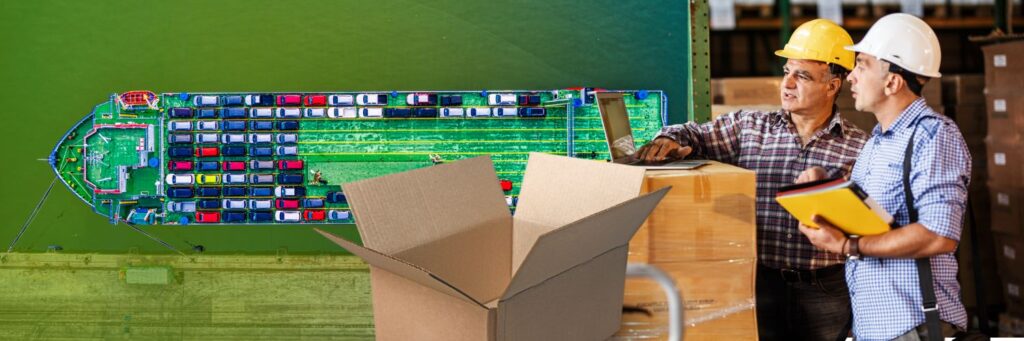
Do you know the real impact of Mexico’s customs reform? Fines can reach up to 300% of the value of your goods. Learn how to protect your business and ensure Mexican customs compliance.
2026 Sustainability Certifications: The New Passport to Global Trade
In 2026, sustainability is law. Discover what these certifications (ESG) are and why they are essential for exporting from Mexico with Meridecom.
Carta Porte 3.1 Guide 2026: Critical Rules for Mexican Logistics

Discover what Complemento Carta Porte 3.1 is, its mandatory status in 2026, and how to avoid fines and tax non-deductibility with Meridecom.
2026 Modernized EU-Mexico Agreement: A Business Guide
Explore the 2026 Modernized EU-Mexico Agreement (TLCUEM) benefits: iTA activation, zero industrial tariffs, and new opportunities for trading in Mexico.
The New Life of Industry: What are Remanufactured Goods?

By: Meridecom | 23 March, 2026 | International Trade The New Life of Industry: What are Remanufactured Goods? In the dynamic world of technology and industrial sectors, efficiency is measured not only by performance but also by intelligence in asset acquisition. With the Trans-Pacific Partnership (TPP) in effect, a strategic door has opened for companies in Mexico: the import of remanufactured goods with significant tariff benefits. Defining Remanufacturing under the TPP To seize this opportunity, it is vital to differentiate a used product from a remanufactured one. According to Article 1.3 of the Treaty, a remanufactured good is one primarily classified in Chapters 84 to 90 of the Harmonized System (HS), which include machinery, mechanical appliances, and medical equipment. These goods are not merely second-hand items. To be considered as such under the treaty, they must be composed entirely or partially of recovered materials. A recovered material is one resulting from the disassembly of a used good, followed by cleaning, inspection, and testing processes necessary to improve its operating conditions. Quality and Compliance Requirements The TPP is strict regarding standards. For remanufactured industrial equipment from countries like Japan, Canada, or Vietnam to be treated as “new” in terms of benefits, it must meet three critical conditions: Have a life expectancy similar to a new good. Perform the same (or similar) functions as the original equipment. Feature a factory warranty similar to that applicable to a new good. This process allows the industry to access cutting-edge technology with a lower investment, supporting the circular economy without sacrificing operability. Logistical and Legal Challenges Importing these goods requires expert coordination. It is necessary to manage procedures before specific customs administrations, such as the National Customs Service in Chile or Singapore Customs, ensuring that the tariff classification is correct to avoid penalties. According to the International Federation of Inspection Agencies (2023), conformity verification at origin is an inescapable step to ensure that remanufactured equipment complies with the safety regulations of the destination country. At Meridecom, we understand that importing industrial technology is the engine of your growth. We offer an integrated service that removes technical and legal barriers: Legal and Tax Advice: We determine if your goods qualify as remanufactured under the TPP to optimize your tax burden in Mexico. Logistics Coordination: We manage transportation and customs clearance from Europe, Asia, and LATAM. Commercial Representation: We facilitate the entry of your industrial products into the Mexican market with specialized marketing strategies. Ready to renew your industrial capacity? Contact Meridecom today and discover how remanufactured goods can transform your profitability. Haz clic aquí para hablar con nosotros Comparte este artículo: International Trade Supply Chain Infrastructure and Sustainability in LATAM 2026: New Markets International Trade Sin categoría Mexico’s Free Trade Agreements: The Master Key to Your Global Expansion Supply Chain Stop Bleeding Cash! Optimize Your Distribution Chain and Scale Your Business Today Regresar a todas las publicaciones
Beyond Borders: A Guide to Preferential Tariff Treatment

Por: Meridecom | 12 March, 2026 | International Trade Beyond Borders: Understanding Preferential Tariff Treatment Contemporary international trade is not just about moving goods from point A to point B; it is about accurately navigating the complex web of agreements that govern global markets. One of the most significant pillars for any company seeking expansion is the Trans-Pacific Partnership (TPP). This agreement establishes a free trade area designed to boost exchange between nations such as Mexico, Japan, Canada, Vietnam, Chile, and Peru, among others. What is Preferential Tariff Treatment? According to the treaty’s general definitions, Preferential Tariff Treatment is defined as the tariff rate applicable to a good that qualifies as “originating”. Simply put, it is the benefit that allows your company to pay lower taxes (or even zero) when importing or exporting products within the TPP zone. However, accessing this benefit is not automatic. For a product to be considered originating, it must strictly comply with the rules of origin detailed in the treaty’s technical chapters. This means the goods must have been produced or significantly transformed within one of the Parties’ territories, following the Harmonized System (HS) for tariff classification. The Importance of Technical Precision Navigating these rules requires deep knowledge of each country’s customs administrations. For instance, while in Mexico the competent authority is the Secretaría de Hacienda y Crédito Público, in countries like Chile, it is managed through the National Customs Service, and in Vietnam, through its General Department of Customs. Furthermore, legal compliance goes beyond tariffs. The treaty includes “measures” covering everything from laws and regulations to procedures and administrative practices that can affect your products’ market entry. According to the World Trade Organization (1994), transparency in these measures is essential to avoid unnecessary technical barriers to trade. In an environment where “days” strictly means calendar days, time is a critical resource. An error in tariff classification or the interpretation of a rule of origin can result in costly fines or the delay of an entire supply chain Do you want to take full advantage of the TPP benefits without legal complications? At Meridecom, we are specialists in transforming the complexity of foreign trade into a competitive advantage for your brand. We offer comprehensive services in: Legal and tax advice to ensure your legal compliance in Mexico. Logistics coordination with customs in Asia, Europe, and LATAM. Marketing and commercial representation to make your product stand out in new markets. Take your business to the next level! Hire Meridecom’s services today and ensure the success of your international operations under Preferential Tariff Treatment. Haz clic aquí para hablar con nosotros Comparte este artículo: International Trade Supply Chain Infrastructure and Sustainability in LATAM 2026: New Markets International Trade Sin categoría Mexico’s Free Trade Agreements: The Master Key to Your Global Expansion Supply Chain Stop Bleeding Cash! Optimize Your Distribution Chain and Scale Your Business Today Regresar a todas las publicaciones
Infrastructure and Sustainability in LATAM 2026: New Markets

Por: Meridecom | 23 Feb, 2026 | International Trade Infrastructure and Sustainability: The engine opening LATAM markets in 2026 The economic landscape of Latin America and the Caribbean is undergoing an unprecedented transformation led by CAF, the Development Bank of Latin America and the Caribbean. By establishing itself as the region’s “Green Bank,” CAF has mobilized global capital to implement local solutions that are redefining logistics infrastructure in LATAM. A Historic Financial Boost During 2024, CAF reached a milestone by issuing 29 bonds valued at nearly $7 billion across 11 different currencies. These investments are more than just figures; they represent the engine of projects that are facilitating regional trade and mobility. A vital component is the Sustainable-Labeled Bond program, which has issued $4.7 billion equivalent, 100% of which was allocated to green and social projects by the end of 2024. Key Projects Transforming the Region Investment has been distributed across strategic sectors that directly impact market competitiveness: Sustainable Mobility: Projects such as São Paulo Metro Line 17 in Brazil are improving urban connectivity and reducing travel times through automated monorail technologies. Renewable Energy: Funding for hydroelectric plants such as Angel I, II, and III in Peru ensures an installed capacity of 60 MW, essential for regional industry. Water and Sanitation Management: 950 km of water supply and drainage networks have been rehabilitated or constructed in countries like Panama, Argentina, and Bolivia. Electrical Strengthening: In Paraguay, transmission and distribution network modernization programs benefit millions of inhabitants, optimizing the power supply for industrial sectors. Vision Toward 2026 and 2030 CAF has set an ambitious roadmap for 2026, aiming for 40% of its total approvals to be classified as green and 100% of its new operations to be aligned with the Paris Agreement. Furthermore, it plans to channel $15 billion toward disaster risk management and climate adaptation by 2030, ensuring the resilience of logistics chains. This solid foundation of infrastructure and social stability, which already reaches 4.6 million people through food security programs in the Southern Cone, creates a fertile environment for international trade. We invite you to contact us for personalized advice and to learn how Meridecom’s services can enhance your operations in this growing market. Haz clic aquí para hablar con nosotros Comparte este artículo: International Trade Sin categoría Mexico’s Free Trade Agreements: The Master Key to Your Global Expansion Supply Chain Stop Bleeding Cash! Optimize Your Distribution Chain and Scale Your Business Today Economy Mexico’s exports up 7.4% in August 2025: what’s driving the rebound and how to benefit Regresar a todas las publicaciones
Mexico’s Free Trade Agreements: The Master Key to Your Global Expansion
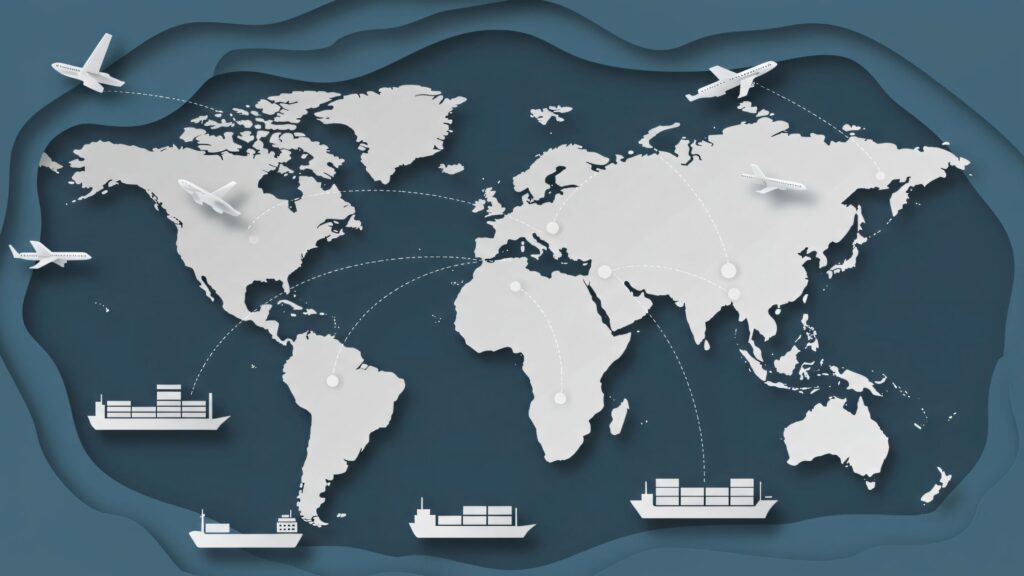
By: Meridecom | Jan 28, 2026 | International Trade Mexico’s Free Trade Agreements: The Master Key to Your Global Expansion In the fast-paced world of international trade, information isn’t just power—it’s profitability. For any business leader eyeing international markets, understanding Mexico’s Free Trade Agreements (FTAs) is the difference between a business bogged down by tariffs and a seamless, competitive, and highly lucrative operation. As of 2026, Mexico stands as one of the world’s most strategic logistical hubs. With a network of 14 FTAs connecting the country to over 50 nations, businesses can import high-tech components or export national goods with tariff benefits that can reduce costs by up to 100%. But which agreement is the right one for your strategy? Here is an analysis of the most strategic agreements shaping global trade in 2026. USMCA: The North American Powerhouse The United States-Mexico-Canada Agreement (USMCA) is the cornerstone of Mexican foreign trade. It drives the economy and is the destination for over 80% of Mexico’s exports. Key Countries: USA and Canada. Why it matters: It provides preferential access to the world’s largest consumer market. It is essential for the automotive, aerospace, and agri-food industries. EU-Mexico FTA: The Bridge to Europe If you are looking to diversify beyond North America, the EU-Mexico Free Trade Agreement is your best ally. Key Countries: Germany, Spain, France, Italy, and 23 other EU member states. Why it matters: It allows for the duty-free import of advanced European machinery and the export of Mexican agricultural products and manufactures under clear rules and trademark protection. CPTPP: The Asia-Pacific Awakening The Comprehensive and Progressive Agreement for Trans-Pacific Partnership connects Mexico with the most vibrant economies in Asia and Oceania. Key Countries: Japan, Vietnam, Singapore, Australia, and New Zealand. Why it matters: It is the gateway for importing Asian technology and exporting processed foods to markets with rapidly growing purchasing power. Pacific Alliance: Latin Integration A modern trade bloc focused on the free movement of goods, services, and capital. Key Countries: Chile, Colombia, and Peru. Why it matters: It greatly facilitates regional trade within Latin America, ideal for service-based companies and manufactured goods seeking to expand southward. Mexico-Japan EPA Japan remains a historic strategic partner for Mexico, particularly in the industrial sector. Key Countries: Japan. Why it matters: Crucial for the electronics and automotive supply chains, and a premium market for Mexican high-quality agricultural exports. Other Strategic Agreements You Should Know While the ones above lead in trade volume, Mexico’s other agreements offer specific niche opportunities: FTA with Israel: Excellent for importing irrigation technology and cybersecurity solutions. FTA with Central America: (Costa Rica, Guatemala, Honduras, El Salvador, and Nicaragua) Vital for land-based consumer goods trade. UK Continuity Agreement: Maintains post-Brexit advantages for beverage and food exporters. Bilateral Agreements: With countries like Uruguay and Panama, serving as strategic logistical and financial nodes. Navigating the Complexities of Global Trade Understanding rules of origin, certificates of circulation, and tariff phase-outs across 14 different agreements can be a daunting task. A single error in tariff classification or documentation can lead to heavy fines or costly customs delays. This is where expertise becomes indispensable. Scale Your Business with Meridecom At Meridecom, we specialize in transforming international logistics into a competitive advantage for your company. Whether you need to source cutting-edge technology from Asia, machinery from Europe, or expand your footprint across Latin America, our team of experts manages every step of your import and export operations. Don’t leave your growth to chance. Leverage the benefits of Mexico’s Free Trade Agreements with the right advisory. Ready to conquer new markets? Contact Meridecom today and discover how to optimize your strategy. Click here to contact us Comparte este artículo: Economy Mexico’s exports up 7.4% in August 2025: what’s driving the rebound and how to benefit Economy Nearshoring in Mexico 2025: investment shifts, power & logistics, and the automation Edge Economy Mexico’s customs shake-up: stricter enforcement in 2026 and MFN tariff hikes on the table Return to all publications