
Efficient Logistics Coordination in Mexico 2026
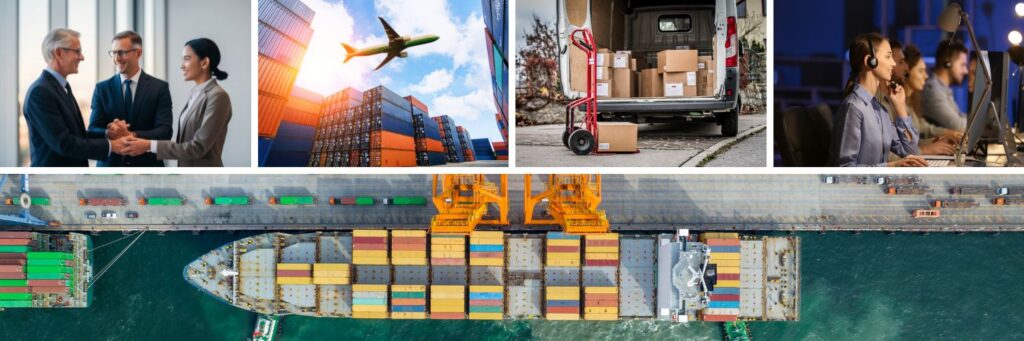
By: Meridecom | 09 July, 2026 | Supply Chain THE IMPORTANCE OF EFFECTIVE LOGISTICS COORDINATION: THE DRIVING FORCE BEHIND BUSINESS SUCCESS IN MEXICO IN 2026 The year 2026 has firmly established Mexico as the global epicenter of nearshoring, attracting massive investments and significantly increasing international trade. However, this exponential growth has also brought major structural challenges, including congestion at strategic ports, high demand for ground transportation, and increasingly strict digital government regulations. In this highly competitive environment, effective logistics coordination in Mexico has evolved from a simple operational advantage into the critical factor that determines the success or failure of small and medium-sized businesses. A well-coordinated logistics strategy goes far beyond hiring a truck or booking a shipping container; it involves the precise synchronization of every link in the supply chain. This includes everything from demand planning and packaging at the point of origin—whether in Europe, Asia, or Latin America—to efficient customs clearance and last-mile distribution. The primary goal of effective coordination is the elimination of “hidden costs”: unexpected expenses resulting from port delays, additional storage fees, or contractual penalties for late deliveries, all of which silently erode a company’s profit margins. The Current Situation in Mexico In today’s Mexican business environment, time is an unforgiving factor. Congestion at the country’s main customs checkpoints requires proactive planning. The most successful companies in 2026 are those implementing end-to-end visibility, anticipating transportation contingencies, and coordinating customs clearance processes days in advance. Poor communication between overseas suppliers, freight forwarders, and domestic carriers remains one of the leading causes of operational delays, negatively impacting business reputation and customer service levels. This is why investing in professional logistics coordination in Mexico has become a strategic necessity rather than an operational option. To build an agile and resilient supply chain, small and medium-sized enterprises must partner with logistics experts who possess the necessary infrastructure, established networks, and a deep understanding of local geography and regulatory procedures. Reducing uncertainty across highways and customs operations requires daily operational oversight and advanced tracking technologies, enabling informed real-time decision-making and ensuring products arrive safely and on time at their final destination within Mexico. As nearshoring continues to accelerate, companies that prioritize logistics coordination in Mexico will be better positioned to reduce costs, improve delivery performance, strengthen customer satisfaction, and maintain a competitive advantage in an increasingly demanding market. Are Delays and Unexpected Costs Affecting Your Supply Chain? Simplify your operations with Meridecom’s logistics coordination services. We take care of connecting every point in your supply chain through efficient planning, transportation management, customs coordination, and real-time shipment visibility. Whether your products are arriving from Asia, Europe, or the Americas, our team ensures seamless logistics coordination in Mexico to help your business operate efficiently and profitably. Contact us today and optimize your business operations. Haz clic aquí para hablar con nosotros Comparte este artículo: International Trade 2026 Sustainability Certifications: The New Passport to Global Trade International Trade Carta Porte 3.1 Guide 2026: Critical Rules for Mexican Logistics International Trade 2026 Modernized EU-Mexico Agreement: A Business Guide Regresar a todas las publicaciones
Infrastructure and Sustainability in LATAM 2026: New Markets

Por: Meridecom | 23 Feb, 2026 | International Trade Infrastructure and Sustainability: The engine opening LATAM markets in 2026 The economic landscape of Latin America and the Caribbean is undergoing an unprecedented transformation led by CAF, the Development Bank of Latin America and the Caribbean. By establishing itself as the region’s “Green Bank,” CAF has mobilized global capital to implement local solutions that are redefining logistics infrastructure in LATAM. A Historic Financial Boost During 2024, CAF reached a milestone by issuing 29 bonds valued at nearly $7 billion across 11 different currencies. These investments are more than just figures; they represent the engine of projects that are facilitating regional trade and mobility. A vital component is the Sustainable-Labeled Bond program, which has issued $4.7 billion equivalent, 100% of which was allocated to green and social projects by the end of 2024. Key Projects Transforming the Region Investment has been distributed across strategic sectors that directly impact market competitiveness: Sustainable Mobility: Projects such as São Paulo Metro Line 17 in Brazil are improving urban connectivity and reducing travel times through automated monorail technologies. Renewable Energy: Funding for hydroelectric plants such as Angel I, II, and III in Peru ensures an installed capacity of 60 MW, essential for regional industry. Water and Sanitation Management: 950 km of water supply and drainage networks have been rehabilitated or constructed in countries like Panama, Argentina, and Bolivia. Electrical Strengthening: In Paraguay, transmission and distribution network modernization programs benefit millions of inhabitants, optimizing the power supply for industrial sectors. Vision Toward 2026 and 2030 CAF has set an ambitious roadmap for 2026, aiming for 40% of its total approvals to be classified as green and 100% of its new operations to be aligned with the Paris Agreement. Furthermore, it plans to channel $15 billion toward disaster risk management and climate adaptation by 2030, ensuring the resilience of logistics chains. This solid foundation of infrastructure and social stability, which already reaches 4.6 million people through food security programs in the Southern Cone, creates a fertile environment for international trade. We invite you to contact us for personalized advice and to learn how Meridecom’s services can enhance your operations in this growing market. Haz clic aquí para hablar con nosotros Comparte este artículo: International Trade Sin categoría Mexico’s Free Trade Agreements: The Master Key to Your Global Expansion Supply Chain Stop Bleeding Cash! Optimize Your Distribution Chain and Scale Your Business Today Economy Mexico’s exports up 7.4% in August 2025: what’s driving the rebound and how to benefit Regresar a todas las publicaciones
Stop Bleeding Cash! Optimize Your Distribution Chain and Scale Your Business Today
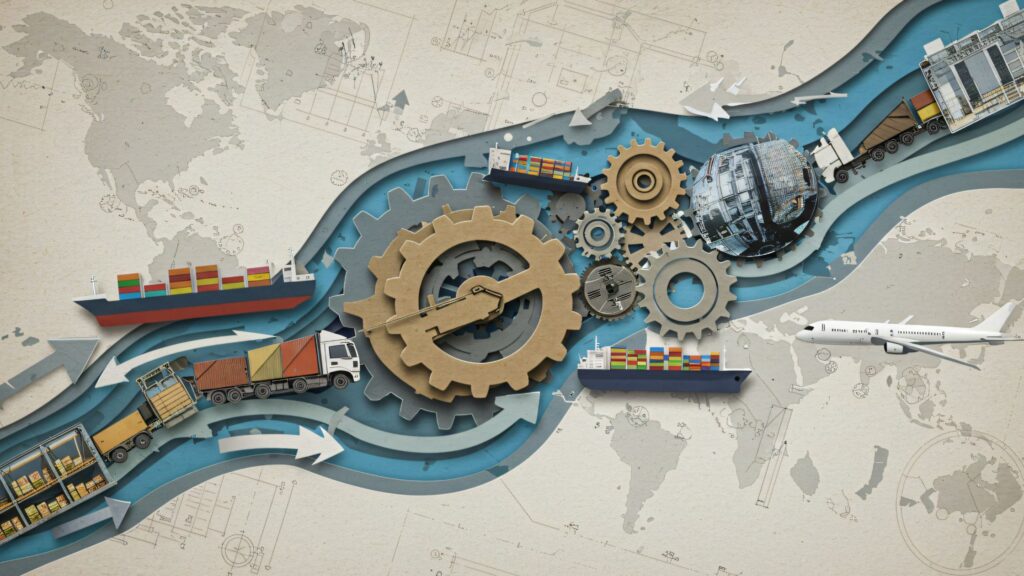
By: Meridecom | Jan 14, 2026 | Supply Chain Stop Bleeding Cash! Optimize Your Distribution Chain and Scale Your Business Today In today’s fast-paced business ecosystem, there is an uncomfortable truth that many executives overlook: you can have the best product on the market, but if it doesn’t reach the customer’s hands flawlessly, your business is destined to stagnate. The logistics distribution chain is not just a transport process; it is the circulatory system of any company aspiring to scale. In a world where “Amazon Prime” has conditioned consumers to demand immediacy, logistics efficiency has shifted from being a competitive advantage to a survival requirement. What exactly is the distribution chain and why is it vital? Logistics is often confused with simply moving boxes. However, a true strategic distribution chain integrates planning, warehousing, inventory control, packaging, and transport management. Its importance lies in three fundamental pillars that directly impact your bottom line: Optimization of Operating Costs Every hour a product spends unnecessarily sitting in a warehouse, or every poorly planned mile in a delivery route, represents a capital leak. A well-structured chain reduces inventory holding costs and optimizes fuel and labor usage. The Customer Experience (The “WOW” Factor) Nowadays, marketing doesn’t end when the customer clicks “buy.” Marketing ends when the customer opens the package. A late delivery or a product damaged by poor logistics management destroys your brand’s reputation in seconds. Conversely, agile logistics builds trust and encourages repeat purchases. Scalability and Market Expansion If your business seeks to import supplies or export finished products, international logistics becomes either the bridge or the barrier. Without robust customs and transport management, any attempt at international expansion will be hampered by red tape and unexpected delays. Modern Logistics Challenges in the Age of Immediacy Managing an efficient logistics distribution chain is not without its challenges. Today’s companies face: Volatile transport costs: Fuel prices and international freight rates fluctuate constantly. “Last Mile” Management: The final leg of delivery is the most expensive and complex to manage, yet the most critical for user satisfaction. Real-time visibility: Customers demand to know exactly where their goods are every second of the way. Your Strategic Ally in Logistics and Imports Understanding the importance of the distribution chain is the first step, but executing it with mastery is what truly makes a difference. At Meridecom, we don’t just move cargo; we design end-to-end solutions that eliminate bottlenecks in your business. From managing complex imports to strategic distribution, our goal is to ensure your merchandise never stops. We have the experience and technical expertise to ensure your costs go down and your efficiency goes up. Contact the specialists at Meridecom today. Let us perform a diagnostic of your import and logistics needs to design the strategy your business deserves. Click here to speak with us Comparte este artículo: Economy Mexico’s exports up 7.4% in August 2025: what’s driving the rebound and how to benefit Economy Nearshoring in Mexico 2025: investment shifts, power & logistics, and the automation Edge Economy Mexico’s customs shake-up: stricter enforcement in 2026 and MFN tariff hikes on the table Return to all publications